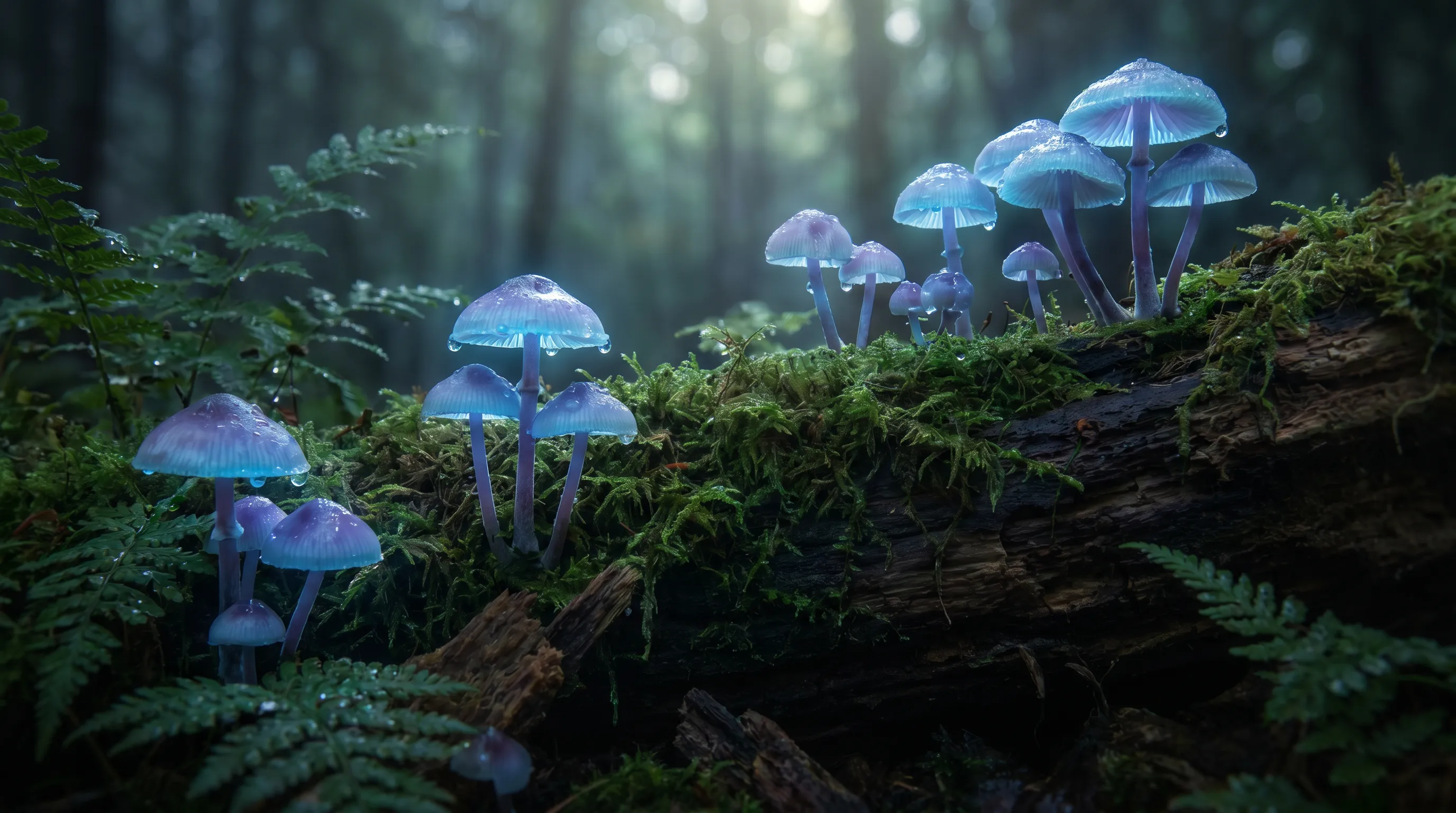
Genetic Factors That Influence Individual Responses to Psilocybin
1. Opening Hook: The Day My Psilocybin Journey Felt Unfair
I still remember my first psilocybin experience like it happened yesterday. I was sitting in a sunlit room, surrounded by quiet friends, and the forest green of the houseplants seemed to pulse with a strange vitality. I’d done my homework, read Michael Pollan’s How to Change Your Mind, prepped my mindset, journal ready, and all. Yet, while my friends were sinking into deep, life-changing trips, feeling waves of catharsis and cosmic insight, my experience was... different. It was milder, more cerebral, less revealing. I remember feeling a pang of frustration, wondering why the same mushroom dose that blew their minds seemed to merely tickle mine.
That night, I asked myself a question I’ve come back to many times since: Why do some people seem to react so powerfully to psilocybin, while others barely scratch the surface? Why doesn’t the magic work the same for everyone? It wasn’t just about mindset or setting. I’d been careful about those. Something else was at play. Over years of reading research, consulting with therapists, and reflecting on my own psychedelic journeys, I’ve come to understand that genetics have a big say in the matter.
Just like how some people can drink coffee and feel jittery while others sleep through it, psilocybin engages with your brain’s unique wiring. Genetic variations can influence everything from the density of serotonin receptors in your brain to how your enzymes metabolize the compound. It’s a hidden layer beneath the surface, quietly shaping the depth and quality of each trip. This complexity often goes unspoken in psychedelic circles, where the focus is more on setting and intention. But for those of us who have sought answers - or wrestled with inconsistent or underwhelming trips - understanding the genetic piece can be a breakthrough.
What follows in this article is a deep look at those genetic factors. We’ll explore the science behind how our DNA interacts with psilocybin, review key studies that dig into this question, and most importantly, talk about what this means for you, whether you're a first-timer or a seasoned psychonaut. Because knowing why your trip might feel different from someone else’s can help you approach it with more compassion, patience, and insight.
2. Core Concept Explanation: The Genetic Gatekeepers of Psilocybin’s Effects
To understand how genetics influence psilocybin responses, we first need to look at the biology of the molecule itself. Psilocybin is a prodrug, meaning it’s inactive until your body converts it into psilocin. Psilocin then interacts primarily with serotonin receptors in the brain, especially the 5-HT2A receptor. That receptor is the main switchboard for the psychedelic experience - it modulates perception, mood, and cognition.
Here’s where genetics get involved. The gene known as HTR2A encodes for this 5-HT2A receptor. Variations - or polymorphisms - in HTR2A can alter how your receptor responds to psilocin. Some variants might make the receptor more sensitive, meaning they amplify psilocybin’s effects, while others might dampen the response. It’s part of why two people can take the same dose and have wildly different experiences.
But it’s not just receptor sensitivity. Genes that control how quickly psilocybin is metabolized make a difference too. The enzyme CYP2D6, part of the cytochrome P450 family, helps break down psilocybin’s active form. People with variants that mean “fast metabolizer” clear psilocin quickly, potentially shortening the trip or making it less intense. “Slow metabolizers” might feel prolonged or stronger effects. Some of these genetic variants are well documented in pharmacology but relatively new to psychedelic science.
Beyond HTR2A and CYP2D6, other serotonin receptors like 5-HT1A and transporter proteins like SLC6A4 (which recycles serotonin) also have genetic variants that may influence psilocybin’s emotional and cognitive impact. The brain’s complex serotonin system means that genetics create a field of responses, rather than a simple on/off switch.
To put it simply, your DNA works like a set of filters and dials on your psychedelic experience. It shapes how psilocybin activates your brain circuits, influencing how visionary, emotional, or introspective your trip feels. This is why someone else’s “magic mushroom moment” might not match your own unfolding story, even if every other factor seems equal.
3. Research and Evidence: What Science Tells Us About Genetics and Psilocybin
Science is slowly catching up to these questions. Researchers like Roland Griffiths at Johns Hopkins and Robin Carhart-Harris at Imperial College London have laid foundational work on psilocybin’s psychological and neural effects. While their landmark studies mainly focused on standardized outcomes, a growing number of smaller investigations are teasing apart genetic influences.
A 2018 study published in Psychopharmacology by Krebs and colleagues examined HTR2A polymorphisms in volunteers who ingested psilocybin. They found that certain variants correlated with stronger mystical-type experiences and greater intensity of visual hallucinations, confirming receptor genetics’ role in psychedelic quality. Similarly, research from the University of Zurich demonstrated that differences in CYP2D6 gene variants affected psilocybin metabolism rates, influencing the duration and intensity of subjective effects.
One particularly interesting angle comes from studies on the serotonin transporter gene SLC6A4. Variants in this gene are well-known for affecting susceptibility to depression and anxiety. A 2020 trial in Frontiers in Pharmacology suggested that people with the "short" allele variant, linked to lower serotonin transport efficiency, might respond with greater emotional openness during psilocybin therapy, a factor that could enhance therapeutic outcomes.
Then there’s the work of Stanislav Grof, the father of psychedelic psychotherapy, who long ago theorized that individual differences - later understood as partly genetic - shape the themes and emotional content of the psychedelic experience. His clinical observations align with what modern genetics begin to quantify scientifically.
While these studies offer promising insights, the field still has many gaps. Sample sizes tend to be small, and replication is ongoing. But the emerging picture is clear: your unique genetic blueprint influences how psilocybin communicates with your brain. If you want a detailed dive into the neuroscience and psychiatric implications of this, The Body Keeps the Score by Bessel van der Kolk offers a deep exploration of trauma, brain chemistry, and healing - themes deeply relevant to understanding psychedelics synergizing with our biology.
4. Practical Application: Navigating Your Psilocybin Journey With Genetics in Mind
Knowing that genetics influence your psilocybin experience opens up ways to approach your journey with greater awareness and adaptability. First, if you’ve had underwhelming or inconsistent trips, don’t blame yourself or your mindset alone. Recognizing that your body and brain might simply process psilocybin differently is a kind of psychedelic self-compassion.
Genetic testing for CYP2D6 and HTR2A variants is increasingly accessible, though still primarily in research contexts. If you’re curious, some online services provide pharmacogenetic profiles. But don’t get too caught up in chasing definitive answers - genetics set probabilities, not certainties.
Dose adjustment is one practical step. If you suspect you’re a "fast metabolizer," a slightly higher dose or even a second, smaller booster dose during the session might be worth discussing with a therapist. Conversely, if you metabolize slowly, starting lower and going gradual can help avoid overwhelming effects.
Integration practices also benefit from a genetic perspective. If your serotonin transporter gene variant makes you prone to emotional sensitivity, you might find journaling especially helpful for processing your feelings. I recommend a solid companion like a Journaling Notebook Leather Bound for capturing insights and moods post-trip. Writing down subtle details your memory might lose can reveal patterns connected to your biology.
Working with experienced guides or therapists who understand genetic influences can make a difference. They can tailor preparation and integration strategies around your unique neurochemistry and avoid a one-size-fits-all approach. For example, integrating psilocybin with practices recommended by James Fadiman, such as microdosing schedules or intentional set-and-setting improvements, might be tweaked depending on your personal biology.
Lastly, patience is key. Your genetic makeup doesn't lock you into a fixed response. Physical health, past trauma, mental state, and environment interact dynamically with your genes. You can experiment within safe limits, learning which combinations and circumstances lead to the most meaningful and manageable experiences.
5. Common Challenges and How to Work Through Them
One of the main challenges with genetic variability in psilocybin responses is frustration - feeling like you’re “doing everything right” but still missing the depth of experience others report. This can trigger negative self-judgments or disengagement from the medicine altogether.
It’s easy to fall into the trap of thinking your brain is “broken” or less capable of growth. But from years of speaking with people and my own ups and downs, I can tell you this: genetic differences are not deficits. They are part of your unique psychedelic blueprint. Knowing that can shift the narrative from failure to curiosity.
Another hurdle is the sometimes slow feedback loop. Genetic factors influence subtle facets like how long the trip lingers or how emotionally vivid it feels. Without clear markers, it’s hard to know if a different dose or setting change will help. This is where detailed journaling proves invaluable. Recording every nuance - physical sensations, emotional swings, cognitive shifts - helps you identify patterns that genetic predispositions might explain.
For those with genetic variants tied to emotional sensitivity, intense trips can sometimes bring up overwhelming feelings or anxiety. Practicing grounding techniques such as breathwork, gentle movement, or simple sensory awareness during the session can help. Preparing beforehand with a trauma-informed book like The Body Keeps the Score can provide methods for managing these states in ways that honor your nervous system’s needs.
Finally, the genetic factor means you may never replicate another person’s “perfect” trip. Instead of chasing that, focus on what your genetics allow - your own kind of insight, healing, or contemplation. Accepting this can turn a source of disappointment into a path of self-discovery. Remember Grof’s wisdom: psychedelic experiences reflect your psyche’s unique narrative, which includes your biology.
6. Integration With Daily Life: Genetics, Psilocybin, and the Long View
Understanding genetic influences doesn’t just help you during the trip - it reshapes how you live afterward. The insights and emotional shifts psychedelics bring can be fragile, especially if your biology subtly dampens the initial intensity. Integration becomes less about reliving a “peak experience” and more about weaving small, consistent changes into your life.
Consider how your genetic profile might influence mood regulation, stress reactivity, and social connection beyond the sessions. If your serotonin systems are tuned differently, you might find traditional antidepressants or lifestyle practices more or less effective. Recognizing this, you can tailor routines like exercise, meditation, or dietary choices to support your neurochemistry.
Many people find that pairing psilocybin therapy with supportive tools - mindfulness, therapy, journaling - enhances long-term benefits. This is true regardless of genetic variations but might be especially critical if your biological “dose-response” curve is flattened. Repeated gentle integration can quietly build new neural pathways over time.
There’s also a cultural angle here. Indigenous and traditional mushroom users often approach psilocybin with deep respect for individual differences and no expectation of a universal response. Bringing this humility into modern practice means trusting your own timing and experience rather than comparing it to others’. As Stamets often says, mushrooms teach patience and listening to nature - including the nature within yourself.
Long-term, genetic awareness can inspire ongoing self-observation rather than one-off psychedelic “fixes.” You develop a relationship with your brain’s unique chemistry, acknowledging its limitations and potentials. This mindset supports resilience and curiosity, qualities essential for sustained mental and emotional health.
7. Closing Reflection: Genetics, Mystery, and the Invitation of Psilocybin
There’s a paradox in understanding the genetic factors shaping our psilocybin experiences. On one hand, it brings a certain clarity - an explanation for why one journey feels so different from another. On the other, it reminds us of how much remains unknown. Our genes do not dictate destiny but dance with countless other factors: history, environment, mood, expectation.
What fascinates me is how genetics invite us into a deeper conversation with ourselves. Instead of chasing a universal “right way” to experience mushrooms, we’re called to explore our biology’s quirks and rhythms. This exploration isn’t cold or clinical; it’s profoundly human. It connects us to the mystery of consciousness in a way that respects uniqueness without judgment.
Thinking of psilocybin as a medicine that “works differently” across genetic lines encourages a gentler, more patient relationship with this powerful plant teacher. It invites us to cultivate curiosity, self-compassion, and trust - qualities that are often the real catalysts for change. While the psychedelic experience is sometimes framed as magical or mystical, recognizing the genetic thread running through it reconnects us with the body and brain as living, evolving systems.
My own psychedelic journeys have felt richer when I embraced this complexity. Knowing that some parts of the experience are written in my DNA took the pressure off. It allowed me to relax into the ride, appreciating the subtle nuances rather than demanding a grand revelation. It also made integration more mindful - I paid attention to what my body and mind truly needed, rather than forcing a “typical” psychedelic narrative.
So, if you find yourself wondering why psilocybin seems to speak a different language to your brain, I invite you to sit with that question. Let it be an opening, not a closing door. Your genetic story is part of the conversation, but it’s not the whole book. And sometimes, the most meaningful discoveries come not from the perfect dose or the exact receptor variant, but from learning to listen deeply to the one voice you can always trust - your own.
For deeper insight into the emotional dimensions of this topic, explore Breathwork Can Change Your Nervous System by Paul Wagner. You may also find clarity in Your Nervous System Is Not Broken, which addresses the hidden patterns that shape our choices. For a broader perspective on healing and self-awareness, see What Your Symptoms Are Telling You.